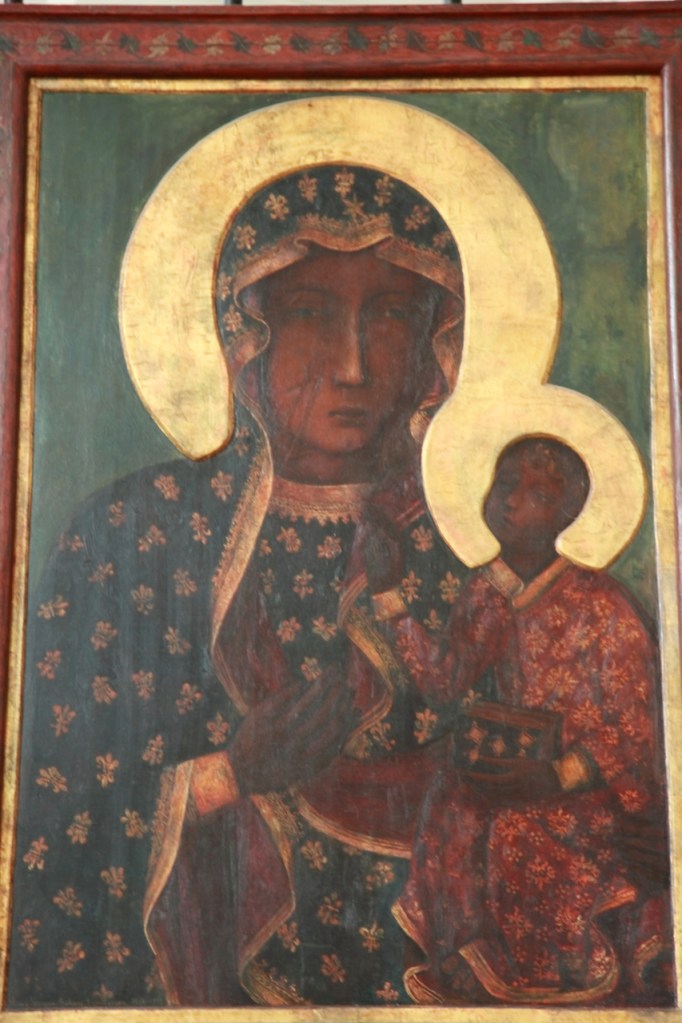
The Black Madonna of Częstochowa is a Holy Icon of the Virgin Mary, that is both Poland’s holiest relic and one of the country’s national symbols.
The Unbreakable Queen: The Miraculous Story of the Black Madonna of Częstochowa
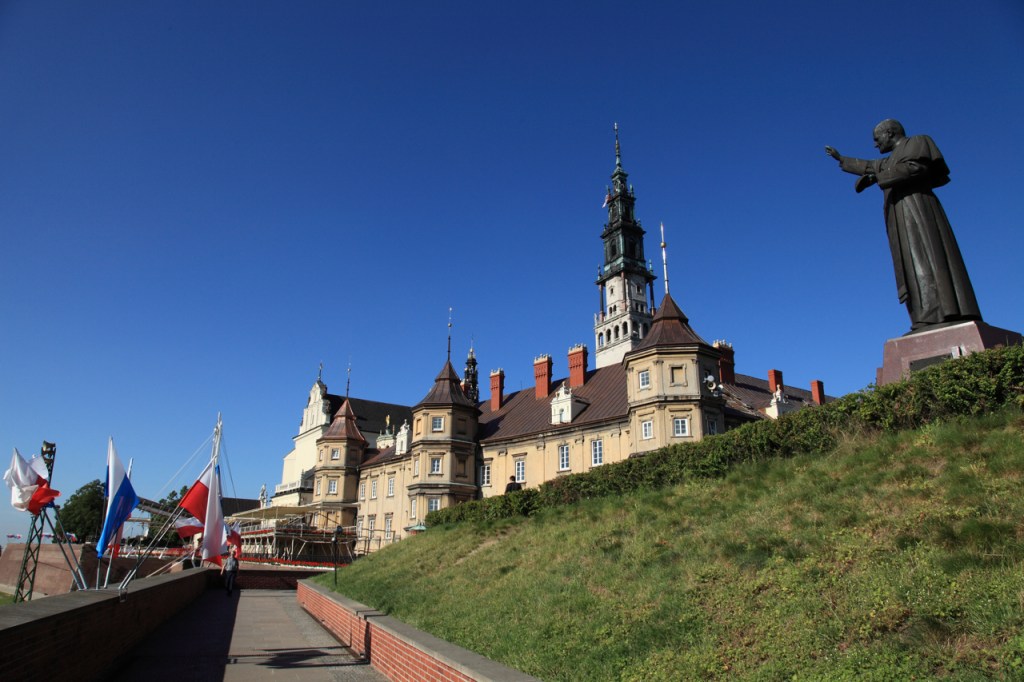
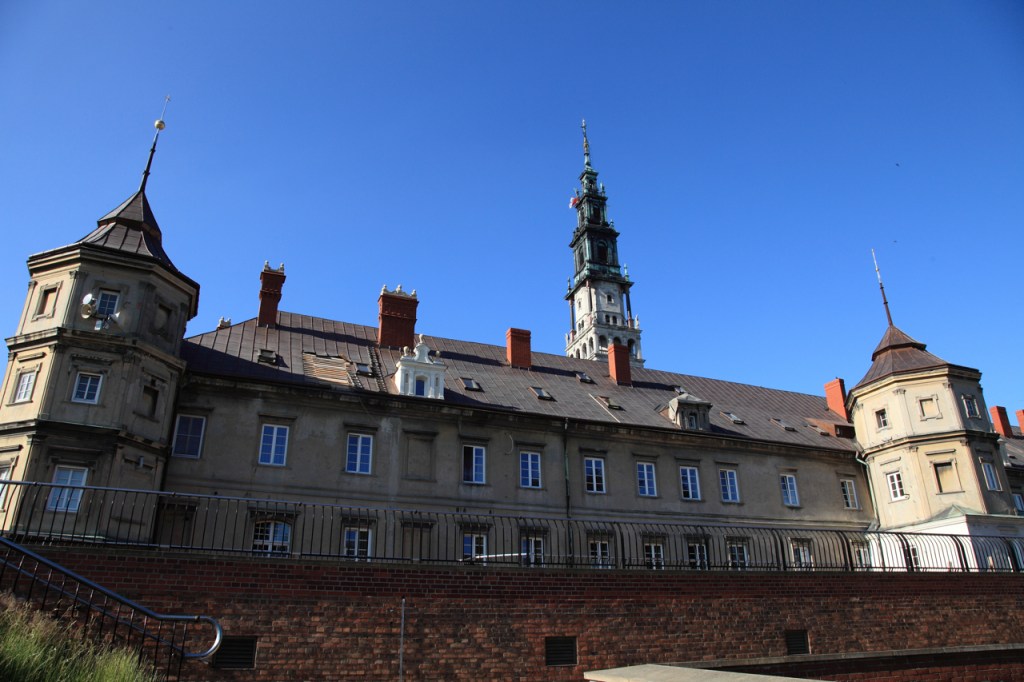
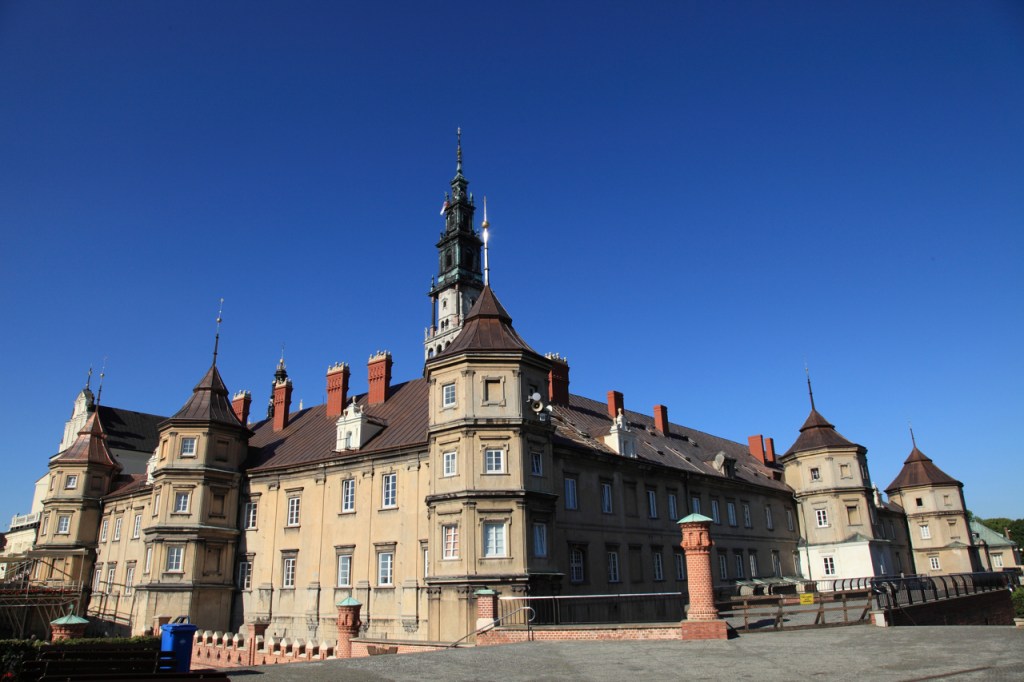
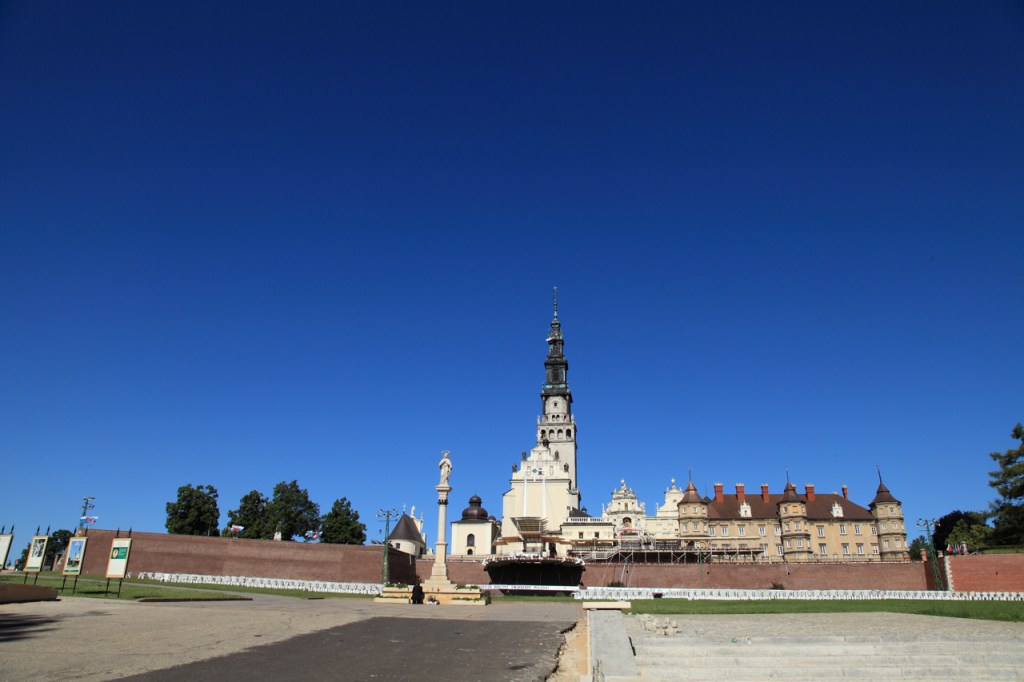
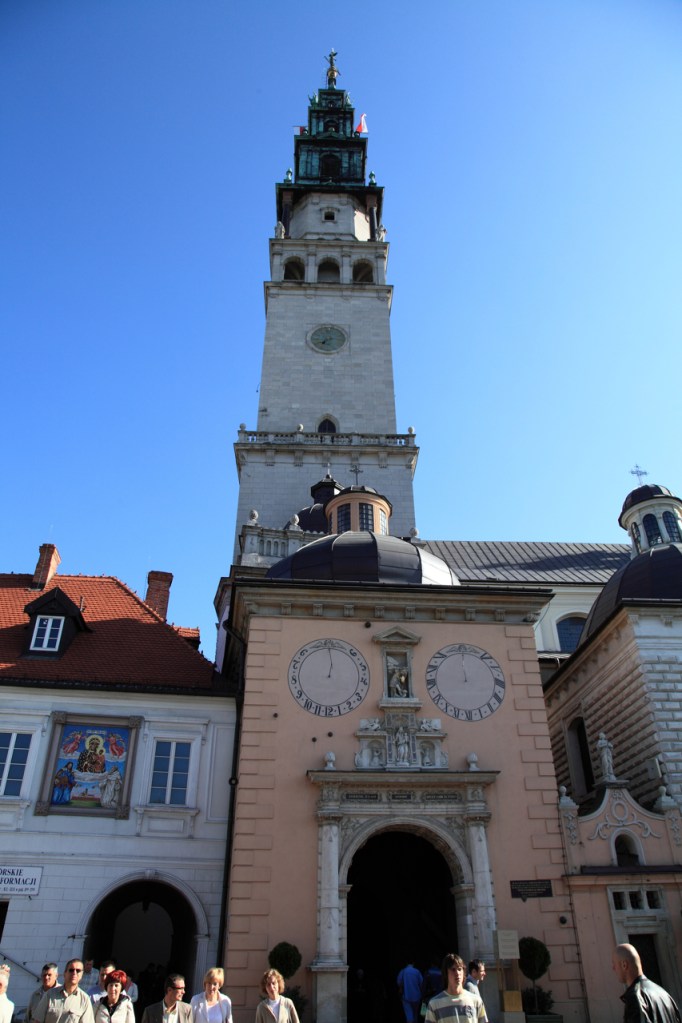
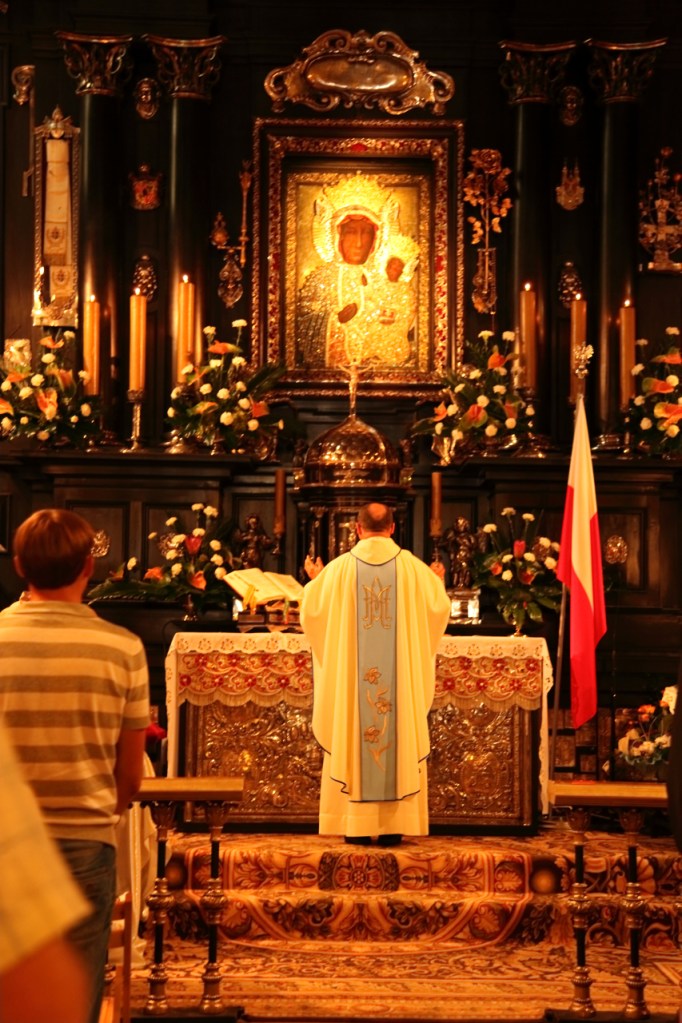
In the heart of Poland, enshrined within the Jasna Góra Monastery, rests a treasure more precious than any crown jewel: the Black Madonna of Częstochowa. More than just a painting, this sacred icon of the Virgin Mary is the nation’s holiest relic, a symbol of divine protection, and the unbreakable spirit of the Polish people. Her story is one of mystery, miracles, and a resilience that has inspired a nation for centuries.
The Scars of Survival
Her gaze is deep and loving, yet her face bears the wounds of history. Two prominent scars slash across her right cheek, a permanent reminder of a violent past and a testament to her enduring power.
Legend says that in 1430, Hussite raiders stormed the monastery, plundering its sanctuary and stealing the holy icon. After loading it onto their wagon, their horses froze, refusing to move. In a rage, a plunderer threw the sacred image to the ground and struck it twice with his sword. As he raised his arm for a third strike, he fell to the ground in agony and died. The scars, which bled and resisted all attempts at repair, remain not as marks of damage, but as a symbol of defiance—a sign that the Queen of Poland would not be broken.
A Journey Shrouded in Legend
Who was this powerful protector, and from where did she come? Her origins are woven into a tapestry of faith and legend. The story begins with St. Luke the Evangelist, who is said to have painted the portrait on a cypress tabletop crafted by Jesus himself, a sacred relic from the home of the Holy Family.
From Jerusalem, the holy icon is believed to have embarked on an epic journey through Constantinople before arriving in Częstochowa in August 1382. Carried by Duke Władysław Opolczyk, it was enshrined at Jasna Góra (Bright Mount), where the Pauline monks became its faithful guardians. It was here that its true destiny as the Protector of Poland would be forged.
The Miracle that Crowned a Queen
In the 17th century, Poland faced its darkest hour. A massive Swedish invasion, known as “The Deluge,” swept across the land, leaving the nation on its knees. The small monastery of Jasna Góra stood as one of the last points of resistance against an overwhelming army.
During an impossible 40-day siege, the monks and a small band of soldiers prayed before the Black Madonna for a miracle. And a miracle they received. Against all odds, the mighty Swedish army was repelled, a victory so stunning it turned the tide of the war and saved the nation.
In gratitude for this divine intervention, King John II Casimir Vasa made a solemn vow. In a grand ceremony in 1656, he officially crowned Our Lady of Częstochowa as the Queen and Protector of Poland, a title she holds in the hearts of the faithful to this day.
The Beating Heart of a Nation
Today, the shrine of the Black Madonna is the spiritual heart of Poland, drawing millions of pilgrims each year. In a powerful display of unwavering faith, many travel for days or weeks on foot, their journey a river of devotion flowing towards their Queen. Along the roads, strangers offer food and water, becoming part of a tradition that unites the country in a shared love for its sacred protector.
The Black Madonna of Częstochowa is more than an icon; she is a mother to a nation, a witness to its struggles, and a symbol of its ultimate triumph. Her dark, loving gaze and scarred cheek tell the story of Poland itself: a story of faith that survives fire, a spirit that endures attack, and a hope that never dies.


 Exquisite Lifestyle